Most of us want smoother, brighter, younger-looking skin, but sometimes, no amount of cream or serum can deliver the results we dream of. That’s where skin resurfacing treatments come in. With science-backed techniques, these procedures can truly transform your skin, targeting concerns from fine lines to sun damage, uneven texture, and acne scars.
Many people worry about the safety, discomfort, or downtime associated with skin resurfacing. For many of our clients in Powell, Ohio, resurfacing treatments are a popular way to keep skin healthy and glowing year-round, especially with the changing seasonal climate.
In this guide, we’ll break down exactly how skin resurfacing treatments work, explore the different options available, and explain how they can refresh and renew your skin from the inside out.
What Is Skin Resurfacing?
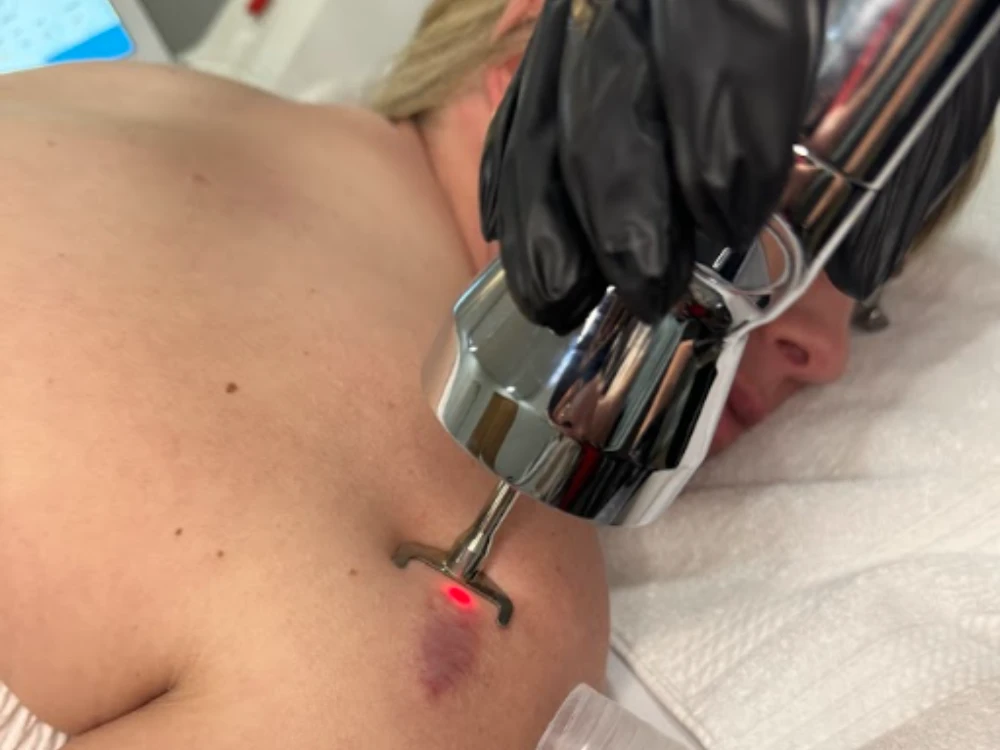
Skin resurfacing refers to a category of treatments that remove or stimulate the top layers of the skin to trigger natural regeneration.
Your skin naturally rejuvenates over time, but environmental damage, aging, and lifestyle factors can slow this process and leave behind fine lines, rough texture, or pigmentation. Skin resurfacing accelerates your body’s repair mechanisms, helping your skin heal faster and look fresher.
There are three primary categories of resurfacing:
1. Ablative Laser Skin Resurfacing Treatment
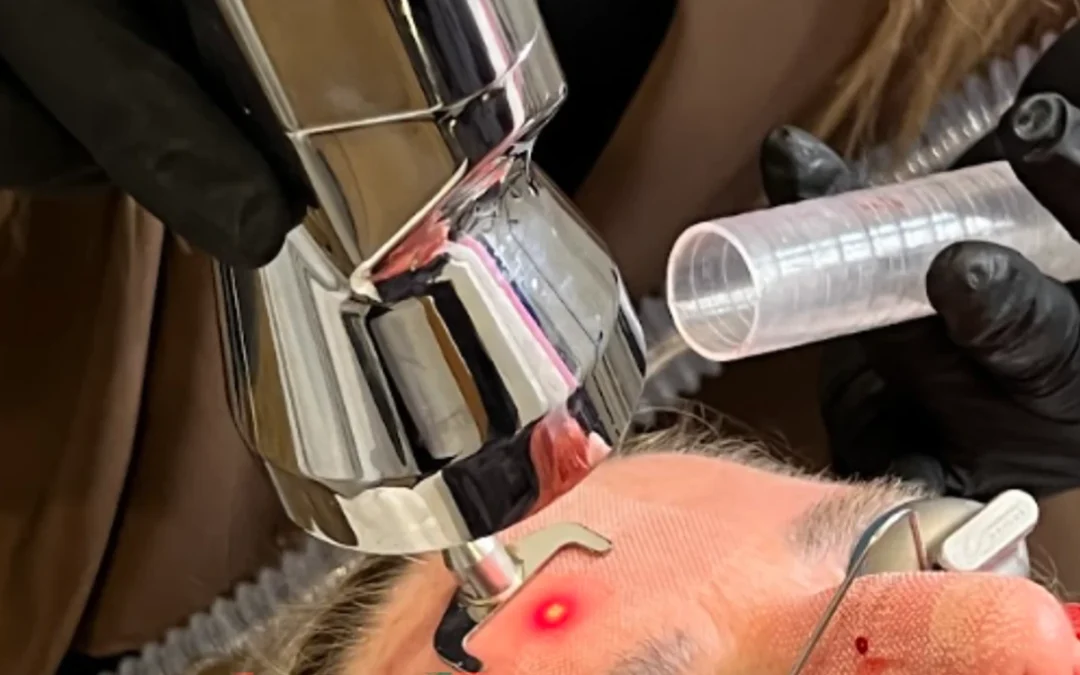
Ablative lasers precisely vaporize targeted layers of damaged skin. This triggers the body to replace injured skin with fresh, healthy tissue.
At Central Ohio Aesthetics Clinic, our ablative resurfacing options include:
- ProFractional™ Laser (fractional ablative resurfacing)
- Contour TRL™ (deep resurfacing using tunable erbium technology)
- MicroLaserPeel™ (light to moderate epidermal resurfacing)
- MicroLaserPeel™ Spot Treatment (targeted resurfacing for small areas)
Ablative lasers are ideal for:
- Deeper wrinkles
- Acne scars
- Moderate to severe texture issues
- Sun-damaged skin
- Crepey or lax skin
2. Non-Ablative Fractional Laser Skin Resurfacing Treatment
Non-ablative lasers create controlled micro-injuries below the surface of the skin without removing the top layer. These treatments are gentler, require little downtime, and stimulate collagen effectively over time.
Our non-ablative option:
- Moxi® Laser (light to moderate fractional resurfacing)
Perfect for:
- Early signs of aging
- Mild texture irregularities
- Preventative skin maintenance
- Brightening and evening tone
3. Chemical Peels (Chemical Exfoliation Resurfacing)
Chemical peels use medical-grade acids to remove dead skin cells and stimulate regeneration. They range from light to deep, depending on ingredients and strength.
Chemical peels treat:
- Dullness
- Fine lines
- Surface texture
- Pigmentation
- Mild acne scars
Chemical peels are considered resurfacing treatments, but they work through controlled exfoliation instead of heat or laser energy. You can learn more about our chemical peel service. Many clients in Powell, Ohio, choose different resurfacing options based on their skin sensitivity, lifestyle, and downtime preferences.
What Skin Concerns Can Skin Resurfacing Treat?
Skin resurfacing can address a wide range of concerns, improving not only the visible surface but also the deeper structures that contribute to healthy, youthful-looking skin. Here’s a closer look:
- Fine lines and wrinkles: Smooths out early signs of aging by stimulating collagen.
- Sun damage and hyperpigmentation: Reduces sun spots, freckles, and uneven tone.
- Acne scars and texture irregularities: Softens indentations, bumps, and rough patches.
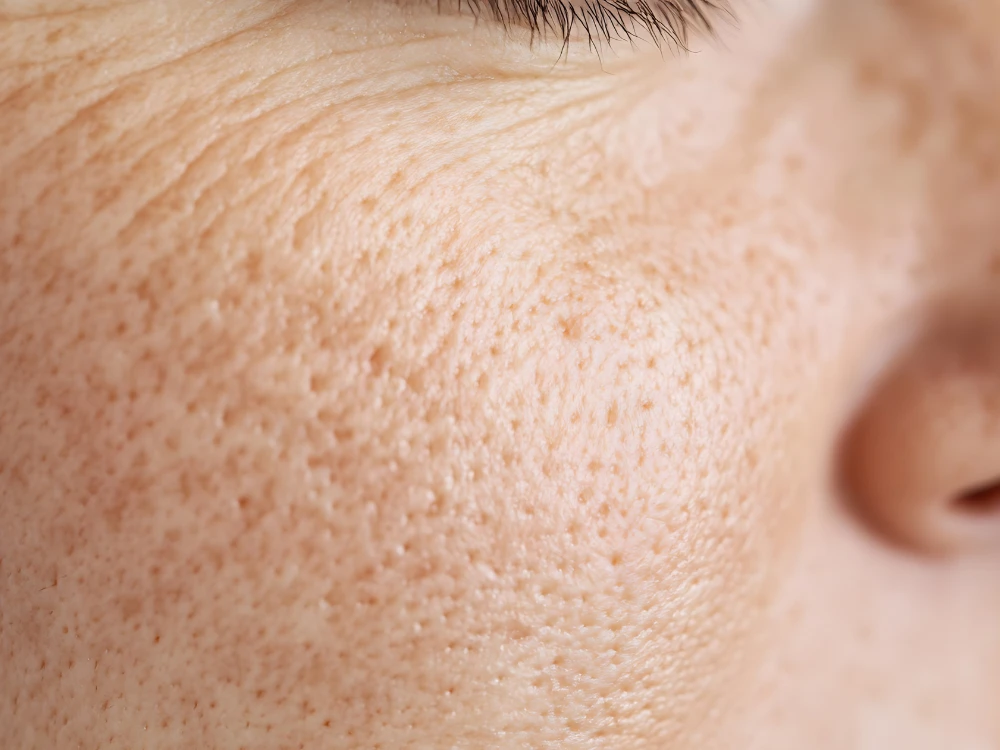
- Large pores: Helps shrink pore appearance by tightening the skin.
- Uneven tone: Improves overall complexion for a more uniform look.
- Roughness and dullness: Exfoliates dead skin to reveal brighter, softer skin.
- Age spots and melasma: Gentle treatments can fade stubborn pigmentation.
- Crepey skin on the face, neck, or chest: Tightens loose, thin skin for a smoother appearance.
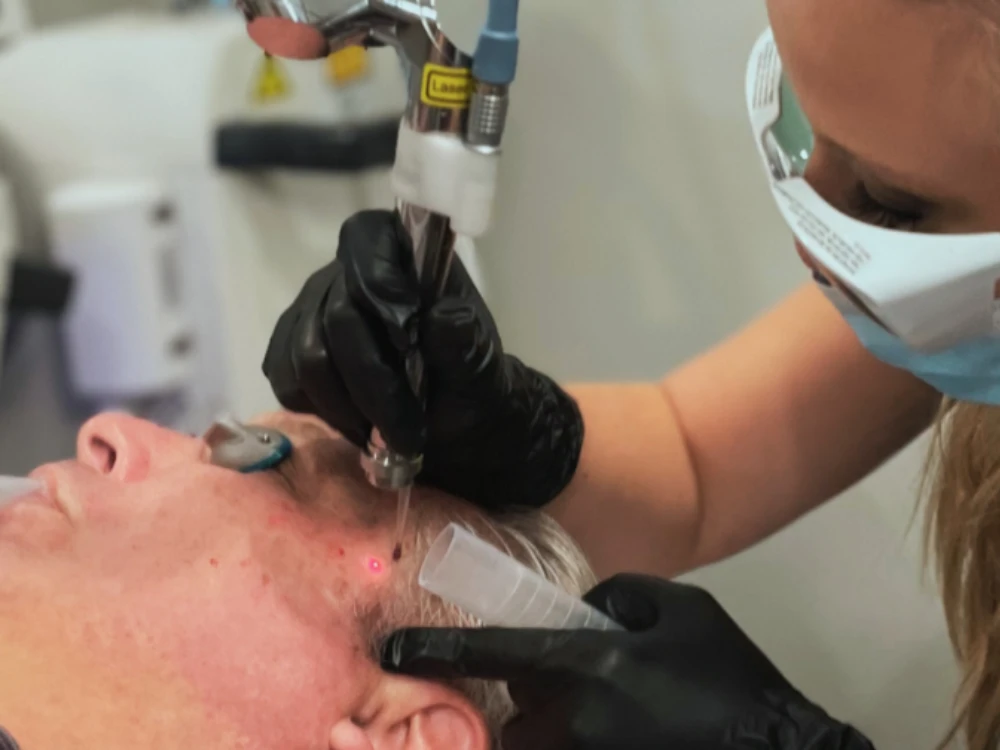
How Skin Resurfacing Actually Works
To understand why resurfacing is so effective, it helps to look at the science in simple terms. Here’s how the process unfolds:
1. Controlled Damage → Repair Response
Skin resurfacing creates tiny, controlled micro-injuries or removes damaged layers of skin. This triggers your body’s natural repair mechanisms. Think of it as hitting the reset button: the skin senses it’s been “injured,” so it goes into repair mode. Blood flow increases, immune cells mobilize, and the healing cascade begins.
2. Collagen + Elastin Production
One of the most important results of this repair process is a boost in collagen and elastin production. Fibroblast cells in the dermis ramp up activity, laying down new collagen fibers. The outcome? Firmer, smoother, more youthful-looking skin. Elastin fibers rebuild as well, restoring the skin’s natural bounce and texture.
3. Cell Turnover
As new collagen forms, old and damaged skin cells are shed. New skin rises to the surface, giving your complexion a refreshed, even appearance. This accelerated cell turnover helps reduce dullness, smooth rough patches, and even improve tone.
4. Pigment Regulation
Skin resurfacing also helps regulate pigmentation. Heat and exfoliation break up excess pigment in targeted areas, which can fade sun spots, melasma, and uneven coloration. Over time, treated areas blend more naturally with surrounding skin.
5. Improved Absorption of Skincare Products
After resurfacing, fresh skin is better able to absorb serums, moisturizers, and active ingredients. This means that your daily skincare routine can become more effective, amplifying results over time.
If you’re struggling with hyperpigmentation or uneven tone, you can explore our HALO® Hybrid Laser treatment that targets both the surface and deeper skin layers.
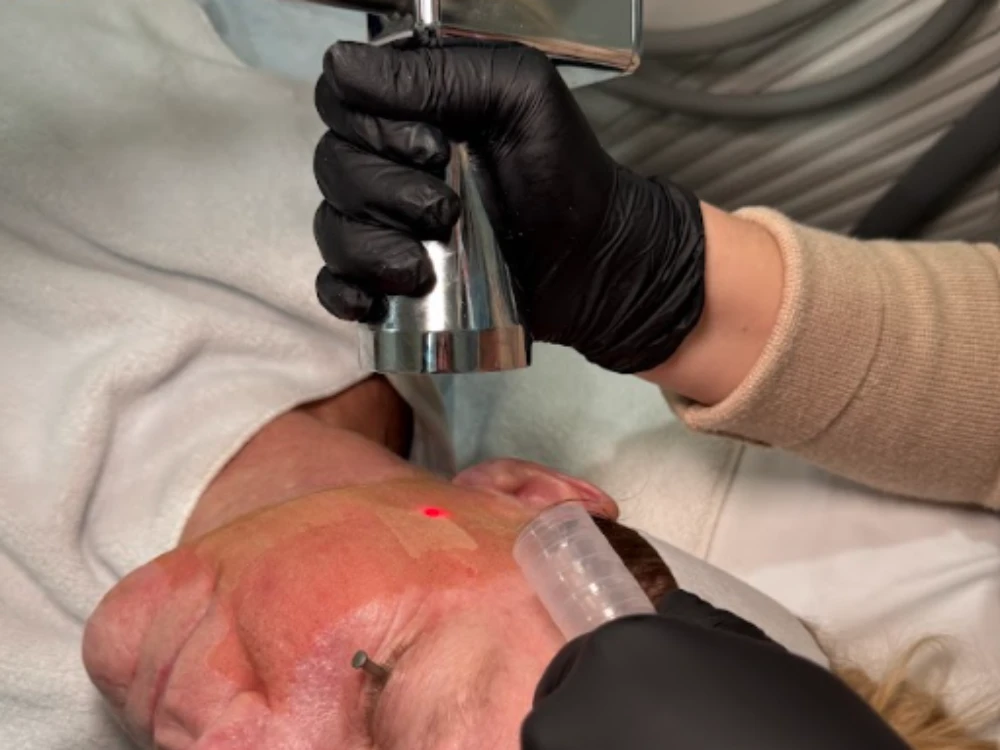
What to Expect During a Skin Resurfacing Treatment
Knowing what happens during treatment can ease anxiety and help you plan your appointment. Here’s a step-by-step breakdown:
- Consultation and personalized treatment plan: One of our aesthetic experts evaluates your skin, goals, and medical history.
- Cleansing + prep of the skin: Removes makeup, oils, and impurities.
- Numbing cream (if needed): Helps minimize discomfort during treatment.
- Treatment process: Depending on the technology used, the procedure may involve ablative or non-ablative lasers, or medical-grade chemical peels.
- Post-treatment cooling or soothing products: Help calm the skin and reduce temporary redness.
- Expected sensation: You may feel warmth, tingling, or slight tightness.
- Time required: Most sessions last 15–45 minutes, though deeper treatments may take longer.
Downtime and Recovery: What’s Normal?
Recovery varies depending on the treatment type and intensity. Common experiences include:
- Mild redness, warmth, or swelling: Usually resolves in a few hours to a few days.
- Peeling or flaking: Typical for chemical peels or ablative lasers.
- Tiny dots or texture: Fractional laser treatments may leave small, pinpoint marks temporarily.
- Typical recovery times: Light treatments often require little to no downtime, while deeper resurfacing may need 5–7 days or more.
- When you can wear makeup: Light treatments allow makeup within a day or two; heavier treatments may require a week.
- Importance of hydration and gentle skincare: Supports healing and maximizes results.
- Sun protection: Non-negotiable to prevent hyperpigmentation and damage.
How Long Before I See Results?
Results vary depending on treatment depth and skin type:
- Immediate results: Brighter, refreshed skin can appear within days.
- Long-term results: Collagen takes 6–12 weeks to build, so improvements in firmness and texture continue over time.
- Deeper treatments: Results can continue improving for 3–6 months.
Consistency is key. Many clients see the best results with 1–3 sessions, while annual maintenance helps sustain a youthful, healthy glow. If you’re looking for a beginner-friendly treatment, our Moxi Laser offers a light, effective way to improve your complexion without disrupting your routine.
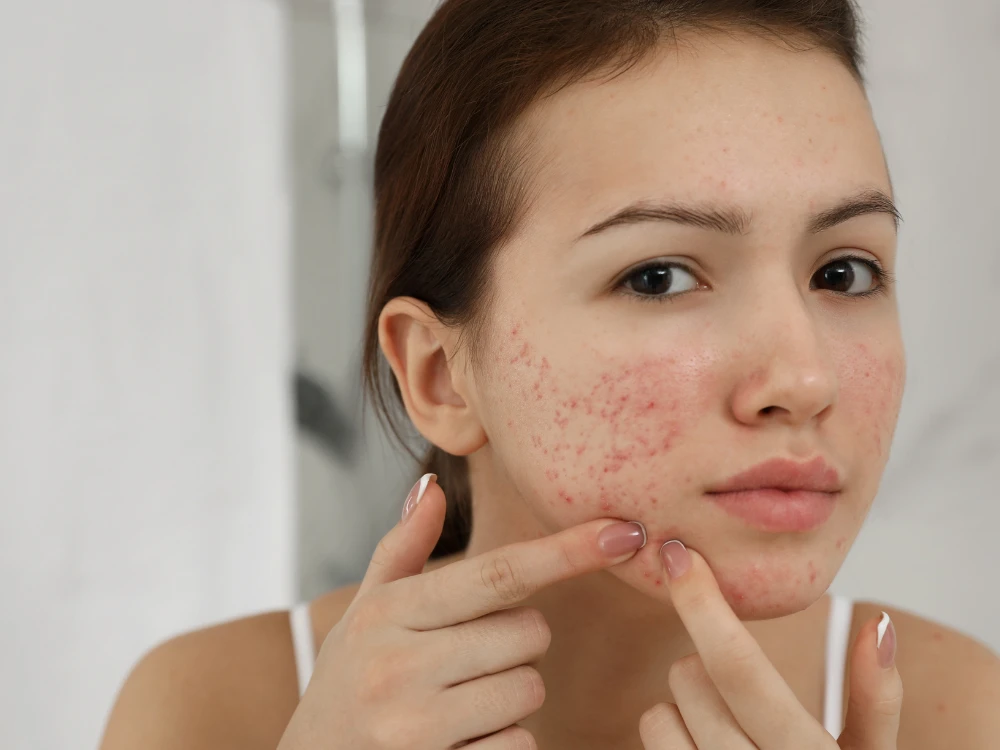
Are Skin Resurfacing Treatments Safe for All Skin Types?
In general, skin resurfacing treatments are safe for most people, but careful selection is important:
- Lighter treatments (e.g., Moxi, MicroLaserPeel, light peels) are safe for most skin tones.
- Darker skin tones require extra caution to prevent hyperpigmentation or discoloration.
- Experienced provider ensures proper technique and treatment selection.
- Following guidelines for pre- and post-care is crucial to achieve safe and effective results.
Preparing for a Skin Resurfacing Treatment
Proper preparation can significantly enhance results and reduce complications:
- Avoid sun exposure for at least two weeks before treatment.
- Pause retinol, exfoliants, and other harsh skincare products.
- Stay hydrated to support skin repair.
- Follow any clinic-specific prep instructions.
- Begin pigment-preventing skincare if recommended, particularly for clients prone to melasma.
Aftercare: Maintaining Your Fresh, Renewed Skin
Aftercare is as important as the treatment itself. Key steps include:
- Stay out of direct sunlight and use SPF 30–50 daily.
- Keep skin moisturized with gentle, hydrating products.
- Avoid workouts, saunas, or heat exposure for 48–72 hours.
- Skip retinol and other activities until cleared by your provider.
- Stick with soothing ingredients like aloe, hyaluronic acid, and ceramides.
Proper aftercare not only helps skin heal faster but also maximizes treatment benefits and minimizes complications.
Who Is a Good Candidate for Skin Resurfacing?
Face rejuvenation treatments work well for anyone looking to improve:
- Texture and tone
- Signs of aging, like fine lines and wrinkles
- Scarring from acne or other skin injuries
- Sun damage
It may not be ideal for people with:
- Active acne
- Open wounds or recent surgical sites
- Certain medications or health conditions
A consultation with a trained provider ensures that your treatment plan is safe, effective, and tailored to your individual needs. Remember, resurfacing is highly customizable for all ages and skin goals.
Common Myths About Skin Resurfacing
Let’s bust some common misconceptions:
- “It’s too painful.” Modern treatments use numbing creams, and discomfort is minimal.
- “You’ll look red for weeks.” Redness depends on treatment depth; mild treatments often cause minimal downtime.
- “Only older people need resurfacing.” Early resurfacing can be preventative and maintain youthful skin.
- “Lasers thin the skin.” Actually, resurfacing thickens the dermis by stimulating collagen.
- “One session fixes everything.” Many people benefit from multiple treatments or annual maintenance for optimal results.
Conclusion
Skin resurfacing treatments are among the most effective ways to restore and renew your skin. By targeting both the surface and deeper layers, these procedures can smooth texture, brighten tone, reduce wrinkles, and fade pigmentation.
With a skilled provider, proper preparation, and diligent aftercare, skin resurfacing is safe, customizable, and transformative. Looking for professional resurfacing skin treatments in Powell, Ohio? Explore our skin resurfacing services and discover the options that are right for you.
Frequently Asked Questions
What is skin resurfacing and how does it work?
Skin resurfacing is a category of treatments designed to remove damaged skin cells and stimulate new, healthier skin to grow. These treatments create controlled micro-injuries, either through heat, exfoliation, or light energy, which trigger your skin’s natural repair response.
As the skin heals, it produces more collagen and elastin, sheds old cells, and replaces them with smoother, brighter, and more even-toned skin. This process helps refresh and renew your complexion from the inside out.
What skin concerns can resurfacing treatments address?
Skin resurfacing treatments can treat a wide range of concerns, including:
- Fine lines and wrinkles
- Sun damage and hyperpigmentation
- Acne scars and uneven texture
- Large pores
- Dullness and rough patches
- Uneven skin tone
- Age spots and melasma (using gentle modalities)
- Crepey skin on the face, neck, and chest
At our clinic in Powell, resurfacing is especially popular among clients dealing with seasonal skin dryness, sun exposure common in Ohio’s summers, and long-term pigmentation concerns.
How do I know which treatment is right for my skin type?
The best resurfacing treatment depends on your skin goals, skin tone, medical history, and how much downtime you’re comfortable with. Light treatments like Moxi or chemical peels are great for milder concerns and minimal downtime. Fractional lasers or deeper resurfacing options work well for more significant texture issues, sun damage, or scarring.
The most reliable way to choose is through a professional consultation, your provider will assess your skin and create a personalized plan that maximizes results while keeping your skin safe.
Are skin resurfacing treatments safe for all skin tones?
Yes, when performed by an experienced provider and with the right technology. Lighter treatments such as Moxi, light chemical peels, and non-ablative fractional lasers are generally safe for most skin tones, including deeper complexions. Darker skin types simply require more thoughtful treatment selection to prevent hyperpigmentation or discoloration.
Proper pre-care, post-care, and a customized treatment plan make resurfacing safe and effective for all skin tones.
Address
Central Ohio Aesthetics Clinic
7500 Sawmill Parkway
Powell, OH 43065
Proudly Serving Powell, OH
and Surrounding Areas
Bexley | Columbus | Delaware | Dublin | Gahanna | Galena | German Village | Grandview Heights | Hilliard | Lewis Center | Marysville | New Albany | Plain City | Powell | Sunbury | Upper Arlington | Waldo | Westerville | Worthington