Hyperpigmentation can be frustrating. It often feels stubborn and difficult to treat with only over-the-counter skincare. That’s why many people consider professional treatments like chemical peels for hyperpigmentation. But one of the most common questions patients ask is:
Is a chemical peel actually effective for treating hyperpigmentation?
At Central Ohio Aesthetics Clinic, chemical peels are commonly used to help improve uneven skin tone, acne marks, melasma, sun damage, and dull texture through controlled exfoliation and skin renewal.
If you live in Powell, Dublin, Worthington, Westerville, Delaware, or surrounding Central Ohio communities and are considering treatment for pigmentation concerns, this guide explains what chemical peels can realistically do, who may benefit most, and what results to expect.
What is Hyperpigmentation?
Hyperpigmentation is a broad term used to describe areas of skin that appear darker than the surrounding skin. It happens when excess melanin (the pigment that gives skin its color) accumulates in certain areas.
Some of the most common types include:
Sun Damage and Age Spots
Years of UV exposure can trigger brown spots and uneven tone, especially on the face, chest, and hands.
Post-Inflammatory Hyperpigmentation (PIH)
These are dark marks left behind after acne breakouts, irritation, bug bites, or skin injuries.
Melasma
Melasma often appears as larger brown or grayish patches, usually on the cheeks, forehead, or upper lip. Hormonal changes, sun exposure, and heat can contribute to it.
Acne-Related Discoloration
Even after breakouts heal, discoloration may remain for weeks or months.
Because hyperpigmentation can have different causes and depths within the skin, treatment plans should be individualized rather than one-size-fits-all.
How Chemical Peels Help Hyperpigmentation
Chemical peels do not “erase” pigmentation overnight. Instead, they work gradually through controlled exfoliation and skin renewal. Here’s how they may help:
1. Removing Pigmented Surface Cells
Many forms of discoloration exist within the upper layers of skin. By exfoliating those damaged layers, peels can help reduce visible unevenness.
2. Encouraging Faster Cell Turnover
As fresh skin cells replace older damaged cells, the complexion may appear brighter and smoother.
3. Improving Overall Skin Tone
Patients often notice improvements not only in dark spots, but also in dullness, rough texture, and mild acne scarring.
4. Supporting Long-Term Skin Renewal
Some medium-depth peels may stimulate collagen remodeling, which can improve texture and skin quality over time.
Are Chemical Peels Good for Hyperpigmentation?
For many patients, chemical peels can absolutely be worthwhile, especially when pigmentation is mild to moderate and patients are committed to a treatment plan.
However, it’s important to set realistic expectations. Chemical peels typically work best when:
- Pigmentation is relatively superficial
- Patients follow proper aftercare
- Sun protection is consistent
- Treatments are performed in a series
- Medical-grade skincare supports results
They may be less effective as a standalone treatment for:
- Very deep pigmentation
- Severe melasma
- Hormonal pigmentation triggers
- Certain resistant acne scars
In those cases, a nurse practitioner may combine peels with other treatments such as microneedling, laser treatments, prescription skincare, or pigment-correcting regimens.
What Types of Hyperpigmentation Respond Best to Chemical Peels?
Not all forms of hyperpigmentation behave the same way, which is why treatment results can vary from person to person. Below are some of the most common types of hyperpigmentation that may respond well to professional chemical peel treatments:
Post-Acne Marks
One of the most common reasons patients seek chemical peels is lingering acne discoloration. These peels may help fade post-inflammatory marks gradually while also reducing clogged pores and improving overall clarity.
Sun Damage
Sun spots and uneven texture caused by UV exposure often respond well to professional exfoliation treatments over time. You can also explore our guide to laser treatment for sun damage.
Mild Melasma
Chemical peels may help improve melasma for some patients, but melasma is complex and often recurring. Our nurse practitioners usually approach melasma carefully because overly aggressive treatments can sometimes worsen pigmentation.
What Type of Chemical Peel Is Best for Hyperpigmentation?
There is no universal “best” peel for everyone. The ideal option depends on factors like the type of pigmentation, skin sensitivity, treatment goals, and desired downtime.
Light Chemical Peels
These are gentler peels with minimal downtime. They are commonly used for:
- Mild discoloration
- Early signs of sun damage
- Maintenance treatments
- Sensitive skin patients
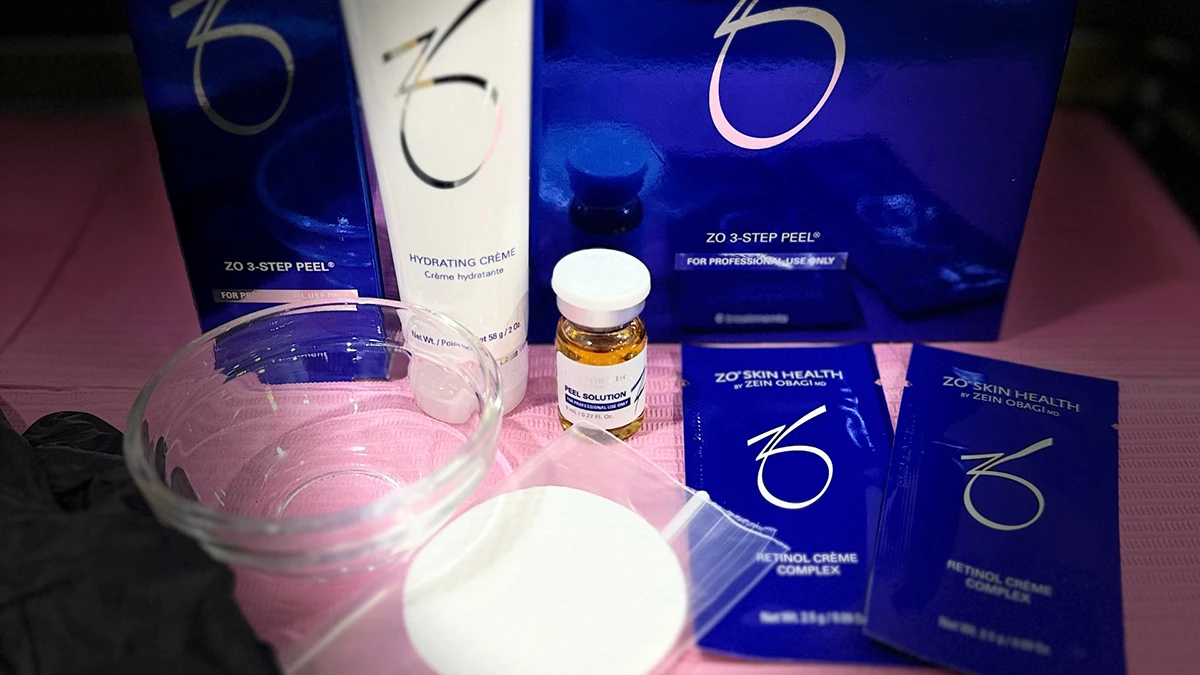
At Central Ohio Aesthetics Clinic, the ZO® Skin Health Stimulator Peel is described as a gentle option with little to no downtime.
Medium-Depth Peels
These penetrate more deeply and may produce more noticeable peeling and longer recovery. They are often used for:
- More visible pigmentation
- Texture irregularities
- Fine lines
- Acne scarring
The ZO® Skin Health 3-Step Peel offered at the clinic is a medium-depth option designed to improve texture and tone while stimulating deeper skin renewal.
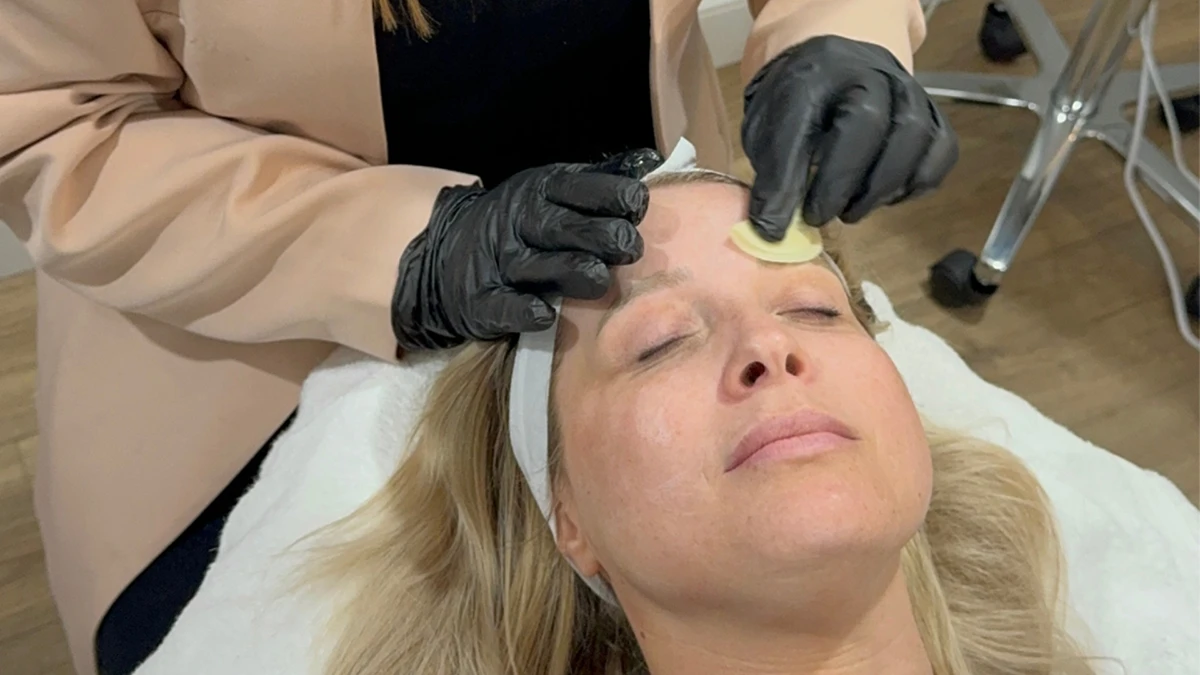
How Many Chemical Peels Are Usually Needed?
This is one of the biggest misconceptions patients have.
Many expect dramatic improvement after one treatment. While some people notice brighter skin after a single peel, hyperpigmentation usually improves gradually over multiple sessions.
Treatment frequency depends on:
- Peel depth
- Skin response
- Severity of pigmentation
- Treatment goals
At Central Ohio Aesthetics Clinic, our patients often undergo:
- Monthly lighter peels for maintenance and radiance
- Medium-depth peels spaced several weeks apart
For many patients, a series of 3–5 treatments may provide more meaningful improvement than a single peel alone.
What Does Recovery Look Like?
Recovery varies depending on the strength of the peel.
After a Light Peel
Patients may experience:
- Mild redness
- Temporary dryness
- Slight flaking
- Tightness
Downtime is usually minimal.
After a Medium Peel
Patients may notice:
- Peeling or flaking around days 2–5
- Redness
- Tightness
- Temporary sensitivity
This process is normal as damaged skin sheds.
Is a Chemical Peel Safe for All Skin Tones?
Chemical peels can be safe for many skin tones when properly selected and professionally administered.
However, this is an area where expertise matters significantly. Darker skin tones may carry a higher risk of:
- Post-inflammatory hyperpigmentation
- Irritation-related pigmentation
- Uneven healing if treatments are too aggressive
That does not mean deeper skin tones cannot receive chemical peels. It simply means nurse practitioners should carefully select:
- Appropriate acids
- Proper strengths
- Safe treatment intervals
- Correct aftercare protocols
Who May Need Extra Caution?
Patients with the following should discuss risks carefully with our nurse practitioners:
- Active skin infections
- Open wounds
- Certain inflammatory skin conditions
- Recent isotretinoin use
- Pregnancy (depending on peel type)
- History of abnormal scarring
- Very reactive skin
A consultation helps determine whether chemical peels are appropriate or whether another option may be safer.
What Should You Avoid After a Chemical Peel?
Aftercare plays a major role in both safety and results. Patients are typically advised to avoid:
- Direct sun exposure
- Picking or peeling skin manually
- Harsh exfoliants
- Retinoids too soon after treatment
- Excess heat and sweating initially
- Aggressive skincare products
Gentle cleansing and hydration are usually recommended during recovery.
Why Many Patients Choose Central Ohio Aesthetics Clinic
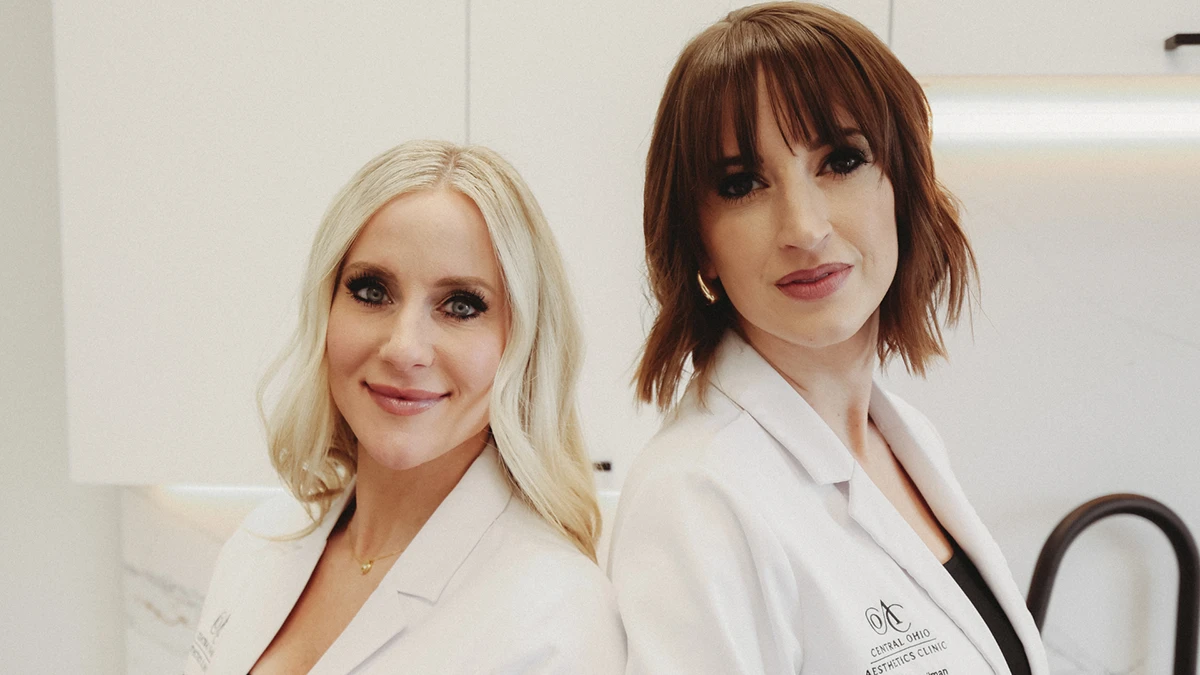
At Central Ohio Aesthetics Clinic, chemical peel treatments are customized based on factors like skin type, pigmentation concerns, sensitivity levels, and desired outcomes. Rather than taking a one-size-fits-all approach, the team carefully evaluates each patient’s skin to help determine the most appropriate treatment options and skincare recommendations.
Treatments are performed by experienced nurse practitioners, including Jacqueline Smith, FNP-C, and Katelyn Heilman, FNP-C, who work closely with patients to create individualized rejuvenation plans designed around their unique skin concerns and desired outcomes.
Conclusion
Chemical peels continue to be one of the most commonly used non-surgical treatments for improving hyperpigmentation, uneven skin tone, acne marks, and overall skin texture. With the right treatment approach and consistent aftercare, chemical peels can help support brighter, smoother, healthier-looking skin over time.
At Central Ohio Aesthetics Clinic, our experienced nurse practitioners work closely with patients to recommend the best medical spa services based on their unique skin concerns.
Schedule your consultation today to learn whether a professional chemical peel for hyperpigmentation is the right fit for your skin.
Frequently Asked Questions
What types of hyperpigmentation can chemical peels treat?
Chemical peels may help improve several types of hyperpigmentation, including sun spots, age spots, post-inflammatory hyperpigmentation (PIH) from acne, and mild melasma. The effectiveness of treatment depends on factors like how deep the pigmentation is, your skin type, and the type of peel used. During a consultation, one of our nurse practitioners can recommend the most appropriate treatment plan based on your specific skin concerns.
Is there downtime after a chemical peel?
Downtime varies depending on the strength of the chemical peel. Light peels may cause mild redness, dryness, or flaking with little to no interruption to daily activities. Medium-depth peels often involve more visible peeling and sensitivity for several days as the skin renews itself.
How long does it take to see results from a chemical peel?
Some patients notice smoother-looking skin within a few days after treatment. However, improvement in discoloration usually happens gradually over multiple treatments as damaged skin cells continue to shed and renew. Depending on the severity of discoloration, a series of treatments may be recommended for more noticeable results.
Do chemical peels permanently remove hyperpigmentation?
Chemical peels can significantly improve the appearance of hyperpigmentation, but results are not always permanent. Factors like sun exposure, hormones, acne flare-ups, and skin inflammation can contribute to recurring discoloration over time.
Consistent sunscreen use, proper skincare, and maintenance treatments may help prolong results and reduce the likelihood of pigmentation returning.
Address
Central Ohio Aesthetics Clinic
7500 Sawmill Parkway
Powell, OH 43065
Conveniently located in Powell, Ohio, our clinic welcomes patients from across Central Ohio, including:
Bexley | Columbus | Delaware | Dublin | Gahanna | Galena | German Village | Grandview Heights | Hilliard | Lewis Center | Marysville | New Albany | Plain City | Sunbury | Upper Arlington | Waldo | Westerville | Worthington
